

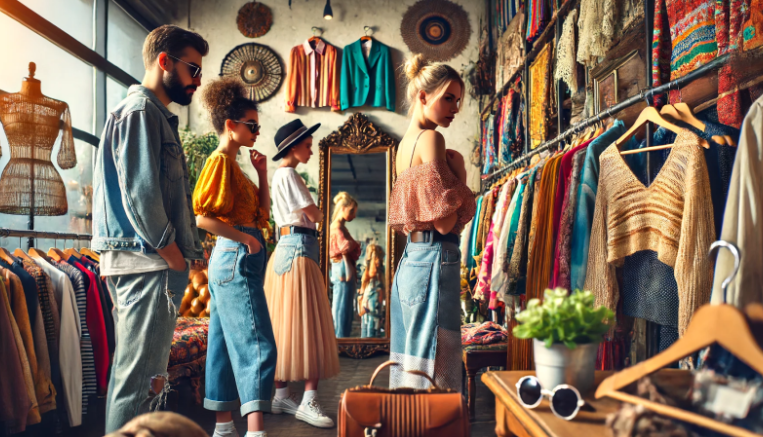
Why Vintage Fashion is the New Trendsetter
In a world where fast fashion dominates the retail landscape, the resurgence of vintage fashion is a refreshing shift. More than just a fleeting trend, vintage fashion represents a blend of nostalgia, sustainability, and individuality that modern consumers are increasingly drawn to. This article delves into the reasons behind the rising popularity of vintage fashion and explores how this trend is reshaping the way we think about style.
The Appeal of Timeless Styles
Vintage fashion offers a timeless appeal that transcends the ephemeral nature of contemporary trends. The clothing and accessories from past decades exude a unique charm and quality that are often missing in today’s mass-produced items. The allure of vintage lies in its history and the stories that each piece carries, making it more than just clothing, but a connection to a bygone era.
Quality and Craftsmanship
One of the most compelling reasons people are turning to vintage fashion is the superior quality and craftsmanship of older garments. In an age where disposable fashion is rampant, vintage pieces stand out for their durability and attention to detail. The fabrics, stitching, and overall construction of vintage clothing often surpass what is found in today’s fast fashion, offering a longevity that appeals to discerning shoppers.
Sustainability and Ethical Considerations
As awareness of environmental issues grows, consumers are becoming more conscious of the impact their purchasing decisions have on the planet. Vintage fashion aligns perfectly with the principles of sustainability and ethical consumption, making it an attractive option for eco-conscious individuals.
Reducing Waste
Fast fashion contributes significantly to environmental degradation, with massive amounts of clothing ending up in landfills every year. By choosing vintage, shoppers are reducing waste and promoting a more sustainable fashion cycle. Recycling and reusing clothing not only minimizes environmental impact but also decreases the demand for new resources.
Ethical Production
Many vintage enthusiasts are drawn to the ethical implications of their choices. Unlike modern fashion, which often relies on exploitative labor practices, vintage clothing was typically produced under different standards. By wearing vintage, consumers can feel more confident that their clothing was made in a time before the widespread outsourcing of garment production to low-wage countries.
Individuality and Self-Expression
In a world saturated with uniformity, vintage fashion offers a unique avenue for self-expression. The distinctiveness of vintage pieces allows individuals to curate a wardrobe that reflects their personality and stands out from the crowd.
Creating Unique Outfits
The beauty of vintage fashion lies in its uniqueness. With a wide array of styles from different eras, it’s possible to create outfits that are truly one-of-a-kind. Whether it’s a 1950s dress or a 1980s blazer, mixing and matching vintage pieces with contemporary items can result in a look that is both stylish and personal.
Personalization
Vintage fashion also opens up opportunities for personalization. Many enthusiasts enjoy customizing their finds, adding iron on patches for clothes to enhance and modernize their pieces. This DIY approach not only breathes new life into old garments but also allows for a deeper connection to the clothing, making each item uniquely theirs.
The Influence of Media and Celebrities
The rise of vintage fashion has been significantly influenced by media and celebrities who champion these timeless styles. High-profile figures and fashion icons often set trends that trickle down to the general public, and vintage fashion is no exception.
Celebrity Endorsements
Celebrities like Zendaya, Harry Styles, and Rihanna have been spotted wearing vintage pieces, sparking interest and admiration from their fans. These endorsements bring vintage fashion into the spotlight, making it more accessible and desirable to a broader audience.
Social Media
Platforms like Instagram and Pinterest are rife with vintage fashion inspiration. Influencers and fashion bloggers showcase how to incorporate vintage items into modern wardrobes, providing tips and ideas that resonate with their followers. This visual and accessible content helps demystify vintage shopping and styling, encouraging more people to explore this trend.
Accessibility and Affordability
Contrary to the belief that vintage fashion is expensive and hard to find, it is becoming increasingly accessible and affordable. With the rise of online marketplaces and secondhand stores, vintage clothing is more available than ever before.
Where to Find Vintage Fashion
- Thrift Stores: Local thrift stores are treasure troves for vintage fashion enthusiasts. With a bit of patience, you can find unique pieces at a fraction of the cost of new clothing.
- Online Marketplaces: Websites like Etsy, eBay, and Depop offer extensive collections of vintage items. These platforms allow you to browse a wide range of styles and eras from the comfort of your home.
- Specialty Boutiques: Many cities have boutique stores that specialize in vintage fashion. These shops curate high-quality pieces and often provide a more personalized shopping experience.
By exploring these sources, fashion lovers can discover affordable vintage treasures that add character and history to their wardrobes.
Conclusion
Vintage fashion is more than just a trend; it’s a movement that embraces sustainability, quality, and individuality. As consumers grow increasingly disillusioned with fast fashion, the timeless appeal of vintage clothing offers a compelling alternative. From its environmental benefits to its unique style potential, vintage fashion is reshaping the fashion industry and redefining what it means to be stylish. Whether you’re a seasoned vintage shopper or new to the scene, there’s never been a better time to explore the rich world of vintage fashion.
