

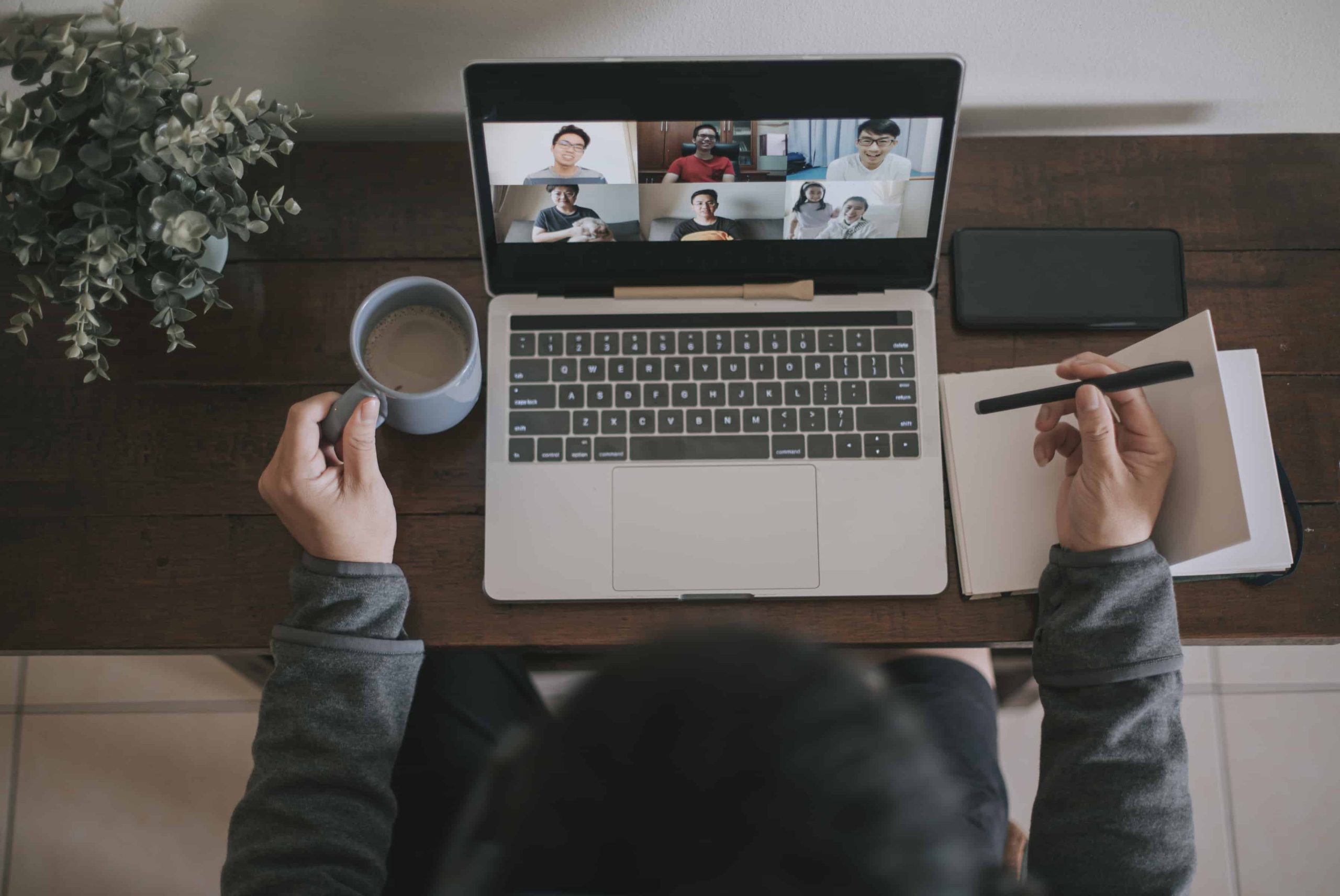
The rise of remote work has brought about significant changes in how companies recruit and hire talent. Virtual interviews have become a standard practice, offering flexibility and efficiency in the hiring process. However, assessing remote candidates effectively requires a unique set of skills and strategies to ensure that the right talent is identified and selected. This article explores best practices for conducting virtual interviews, helping recruiters and hiring managers make informed decisions and build strong remote teams.
Virtual interviews in remote hiring
Virtual interviews play a crucial role in remote hiring, providing several benefits for both employers and candidates. They eliminate geographical barriers, allowing companies to access a broader talent pool. Candidates from different locations can participate in interviews without the need for travel, saving time and resources for both parties. Additionally, virtual interviews offer scheduling flexibility, enabling interviews to be conducted at convenient times for all participants. They also provide an opportunity to assess candidates’ comfort with remote communication tools, which is essential for remote roles.
Preparing for virtual interviews
Preparation is key to conducting successful virtual interviews. Both interviewers and candidates need to be well-prepared to ensure a smooth and productive experience.
Selecting the right technology
Choosing the right technology platform is crucial for a seamless virtual interview. Popular video conferencing tools like Zoom, Microsoft Teams, and Google Meet offer reliable and user-friendly interfaces. It’s important to ensure that the chosen platform is accessible to both parties and provides features such as screen sharing, recording, and chat functions.
Ensuring technical readiness
Before the interview, both the interviewer and candidate should test their technology to ensure everything works correctly. This includes checking the internet connection, camera, microphone, and any software required for the interview. It’s also advisable to have a backup plan in case of technical difficulties, such as switching to a phone call if the video connection fails.
Creating a professional environment
A professional environment helps set the right tone for the interview. Interviewers should choose a quiet, well-lit space free from distractions. It’s important to consider the background visible on camera and ensure it is clean and clutter-free. Candidates should also be advised to prepare a professional setting for their interviews.
Preparing the interview structure
Having a structured interview plan helps ensure that all important topics are covered and that the interview stays on track. This includes preparing a list of questions, defining the interview format, and allocating time for different sections. Structured interviews help maintain consistency and fairness when assessing multiple candidates.
Leveraging technology for effective virtual interviews
Technology plays a vital role in enhancing the effectiveness of virtual interviews. Utilizing the right tools and platforms can streamline the process and improve the overall experience for both interviewers and candidates.
Applicant tracking systems (ATS)
Applicant tracking systems (ATS) are essential for managing the recruitment process efficiently. These systems help track candidates’ progress, schedule interviews, and store evaluation notes. Tracking System Software offers features specifically designed for remote hiring, making it easier to manage candidate pipelines and streamline communication.
Virtual interview platforms
Dedicated virtual interview platforms, such as HireVue, Spark Hire, and VidCruiter, provide advanced features tailored to the needs of remote interviews. These platforms offer capabilities like one-way video interviews, interview scheduling, and automated assessments, enhancing the efficiency and effectiveness of the interview process.
AI and automation
Artificial intelligence (AI) and automation can further streamline the virtual interview process. AI-powered tools can assist with resume screening, initial candidate assessments, and scheduling interviews. Automation can help reduce administrative tasks, allowing recruiters to focus on higher-value activities such as candidate engagement and evaluation.
Conducting virtual interviews
The way virtual interviews are conducted can significantly impact the quality of the assessment. It’s important to create a positive experience for candidates while gathering the necessary information to make informed decisions.
Building rapport
Building rapport with candidates at the beginning of the interview helps put them at ease and fosters a positive interaction. Start with a brief introduction, including some personal background and information about the company. Asking candidates about their experience with virtual interviews and acknowledging any potential technical challenges can also help create a relaxed atmosphere.
Communicating effectively
Effective communication is essential during virtual interviews. Interviewers should speak clearly and at a moderate pace, ensuring that their questions are easily understood. It’s also important to listen actively and allow candidates to fully express their thoughts without interruption. Using visual aids, such as slides or documents, can enhance communication and provide additional context for the discussion.
Using behavioral and situational questions
Behavioral and situational questions are effective tools for assessing candidates’ skills and competencies. Behavioral questions focus on past experiences and how candidates have handled specific situations, while situational questions present hypothetical scenarios and ask candidates how they would respond. These questions help evaluate candidates’ problem-solving abilities, decision-making skills, and suitability for the role.
Assessing technical skills
For roles that require specific technical skills, incorporating practical assessments into the interview process is important. This can include coding challenges, case studies, or simulations relevant to the role. Providing candidates with a task to complete during the interview allows interviewers to observe their problem-solving approach and technical proficiency.
Evaluating cultural fit
Assessing cultural fit is crucial for remote roles, as remote employees need to align with the company’s values and work well within a distributed team. Asking questions about candidates’ preferred work styles, communication preferences, and experiences with remote work can provide insights into their cultural fit. It’s also beneficial to discuss the company’s culture and expectations for remote employees.
Encouraging candidate questions
Allowing candidates to ask questions demonstrates that the company values their input and is interested in their perspective. It also provides an opportunity to assess candidates’ level of interest and engagement with the role. Encouraging questions helps create a two-way dialogue and provides candidates with the information they need to make informed decisions.
Subscribe to the best recruitment newsletter and get the latest insights, trends, and tips to stay ahead in the industry. Become the smartest recruiter in the room today!
