

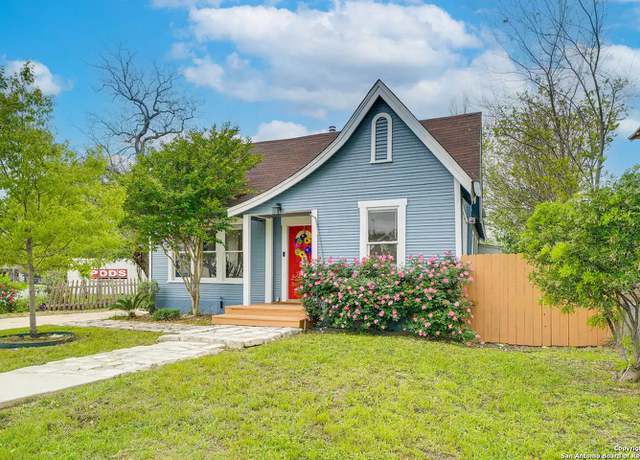
Selling a historic home in San Antonio, Texas, is a unique and rewarding challenge. These properties carry rich histories, architectural beauty, and a charm that modern homes often lack. However, finding the right buyer who appreciates these qualities requires a strategic approach. This guide provides practical tips to help you sell your historic home efficiently while preserving its unique character.
1. Understand the Historical Value
Before listing your home, it’s crucial to understand its historical significance. According to the Texas Historical Commission, buildings, sites, objects, structures, and districts are eligible for designation if they are at least 50 years old and meet established criteria. This designation can enhance your home’s appeal to historical preservation buyers. Additionally, properties listed on the National Register of Historic Places must be at least 50 years old and retain their original appearance, as stated by Checkout DFW.
2. Find the Right Real Estate Agent
Choosing a real estate agent with experience in selling historic homes is vital. The American Society of Home Inspectors suggests finding an agent familiar with antique homes to ensure your property falls into the right hands. Such agents can effectively highlight your home’s unique features and historical value, attracting the right buyers.
3. Balance Preservation with Modern Updates
Maintaining your home’s vintage charm while making necessary modern updates is key to attracting buyers. Keeping the original style intact is important, especially when making changes. Potential buyers often appreciate the historical aesthetics but also desire modern functionality. Consider updating essential systems like heating and cooling, and ensure kitchen appliances are up-to-date. This balance helps sell a house fast in San Antonio, catering to modern buyers while preserving historical integrity.
4. Highlight Your Home’s Unique History
One of the major factors that helps sell a house is its story. Highlighting your home’s history can make it more appealing to buyers. Gather interesting details about past owners and the home’s role in the local community. As noted by the American Society of Home Inspectors, this can be a significant selling point. To create a compelling narrative, incorporate these details into your marketing materials, including photographs, virtual tours, and open houses.
5. Be Prepared for Repair Requests
When dealing with historic homes, buyers often have specific expectations and concerns about maintenance. The American Society of Home Inspectors advises preparing for repair requests from potential buyers. Understand which requests are reasonable and be ready to negotiate. Keeping your home well-maintained and addressing major issues before listing can prevent potential deal-breakers.
Conclusion
Selling a historic home in San Antonio requires a delicate balance of preservation and modernization, combined with strategic marketing highlighting the property’s unique history. Understanding your home’s historical value, working with the right real estate agent, and preparing for repair requests are crucial steps in this process. By following these tips, you can effectively showcase your home’s vintage charm and appeal to buyers who will appreciate and preserve its historical significance.
San Antonio’s real estate market, as reported by the San Antonio Board of Directors and Norada Real Estate Investments, remains stable with consistent growth in home prices. This indicates a healthy demand for properties, including historic homes, making it an opportune time to sell. With the right approach, you can ensure your historic home finds the perfect new owner who will cherish its past while looking forward to its future.
