

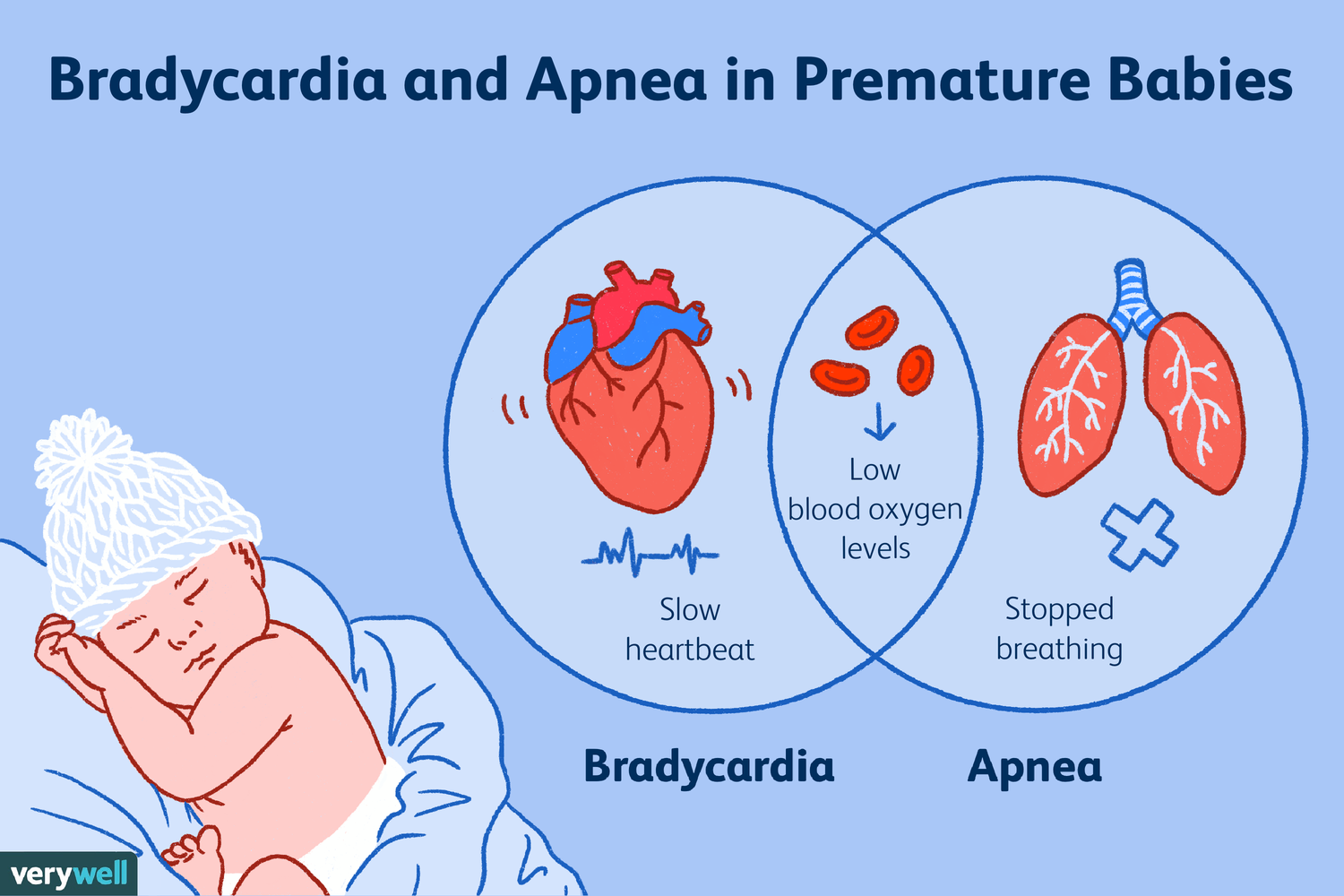
Newborns are particularly vulnerable to various health issues right after birth. Apnea and bradycardia are two serious conditions that can affect infants. These involve episodes where the baby stops breathing or the heart rate slows down. Understanding the risk factors for these conditions is crucial for new parents and caregivers. It allows them to be prepared and responsive if issues arise. This introduction will explore the major risk factors for apnea and bradycardia in newborns. By being informed, parents can ensure they are ready to act swiftly and effectively to safeguard their baby’s health from the very beginning.
Understanding Apnea and Bradycardia in Newborns
Apnea means the baby stops breathing. Bradycardia is when the heart rate is too slow. These conditions are common in premature infants. Premature infants’ systems are not fully matured yet. Apnea can last a few seconds and might need help. Bradycardia often happens with apnea due to not enough oxygen. Both conditions are serious and need quick action.
Premature Birth and Its Impact
Premature birth raises the risk of apnea and bradycardia. Babies born before 37 weeks may have lungs that aren’t fully developed. The earlier a baby is born, the higher the risk. Premature infants often have other health complications, too. They usually require care in NICUs. Their care is critical and needs expert attention.
Respiratory Distress Syndrome
Respiratory distress syndrome (RDS) can lead to apnea and bradycardia. RDS happens when there’s not enough surfactant in the lungs. Surfactant helps keep the lungs’ air sacs open. Without it, the lungs can collapse, causing breathing problems. Treatment often includes surfactant and sometimes ventilation. Early diagnosis and treatment are vital. This care is crucial for the baby’s survival.
Infections and Inflammation
Infections can cause apnea and bradycardia in newborns. Issues like sepsis and meningitis cause inflammation. This inflammation affects breathing and heart rates. Premature infants are very vulnerable to infections. Quick treatment is crucial. Keeping everything clean and timely vaccinations are protective. Hygiene and preventive care are very important.
Neurological Issues
Neurological problems greatly risk apnea and bradycardia. They affect the brainstem, which controls breathing and heart rate. Conditions like brain bleeding or lack of oxygen are risks. These babies need constant monitoring and care. Specialized care is necessary. Their treatment must be careful and precise.
Reflux and Feeding Problems
Reflux and feeding issues can cause apnea and bradycardia. Reflux happens when stomach contents flow back up. This irritates the airways and can cause breathing to stop. Feeding problems like poor swallowing also lead to apnea. Managing these involves dietary changes and special techniques. Monitoring during feeding is important. Careful feeding can prevent episodes.
Environmental Factors
Environmental factors also affect apnea and bradycardia. Newborns react strongly to temperature changes. Both overheating and chilling can cause stress. Tobacco smoke exposure irritates the respiratory system. A stable, smoke-free environment is essential. Proper temperature control is crucial. Environmental safety helps prevent these conditions.
Monitoring and Managing Apnea and Bradycardia
Continuous monitoring is key for managing apnea and bradycardia. NICUs use devices to track breathing and heart rates. Some babies may need monitoring, even at home. Treatments include medications and respiratory support. Quick parental response to episodes is crucial. Learning to recognize and respond is important. Parents need to be prepared.
Importance of Parental Education on Neonatal Health
Educating parents about neonatal health is crucial. They learn about risks like apnea and bradycardia. This knowledge prepares them for potential health issues. Hospitals often offer resources and workshops. Parents should take advantage of these opportunities. Understanding symptoms and treatments empowers them. They become proactive in their newborn’s care.
Education helps parents communicate effectively with healthcare providers. This improves the overall care for the infant. Knowledgeable parents can better handle emergencies. They feel more confident in their parenting role. This support is vital for the well-being of both the baby and the parents.
Role of Advanced Neonatal Care Technologies
Advanced technologies improve care for newborns with health issues. NICUs use cutting-edge equipment to monitor and treat babies. Devices track heart rate, breathing, and other vital signs. This technology detects problems like apnea and bradycardia early, leading to prompt and effective treatment. Innovations in neonatal care save lives every day. Hospitals continually update their technology and training, ensuring the best possible care for vulnerable infants. Such advancements also provide peace of mind for parents. They know their baby receives top-level medical attention.
Conclusion: Preventing and Managing Apnea and Bradycardia in Newborns
Understanding risk factors for apnea and bradycardia is essential. Premature birth, RDS, infections, and neurological issues all contribute. Reflux and environmental factors are also important. Addressing these risks ensures better outcomes for infants. Parents and caregivers are crucial in monitoring and care. With proper attention, many infants thrive despite these challenges.
