

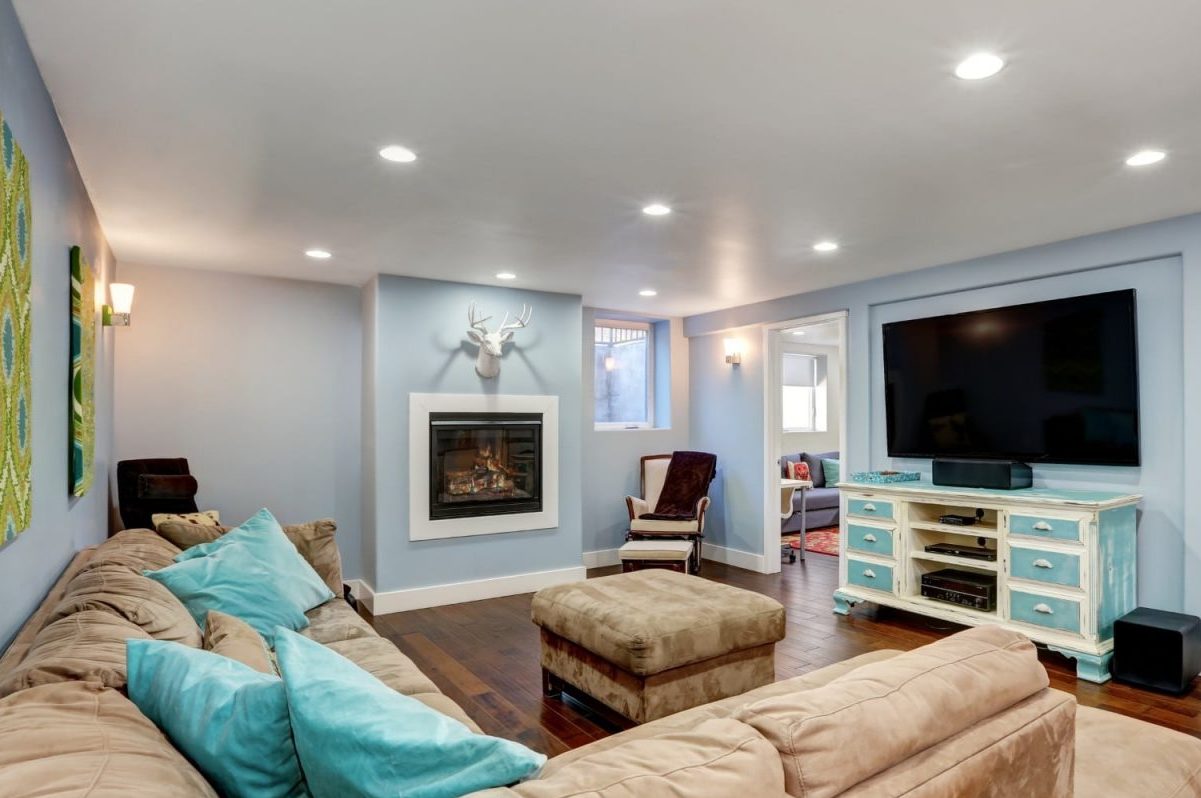
The comfort of your own space, the joy of a personal sanctuary, and the pride in its appearance all contribute to a happy home life. However, over time, our living spaces can start to feel a bit… drab. Enter the opportunity for home upgrades—essential changes that not only enhance your living experience but also boost property value. Ready to turn your home from drab to fab? Let’s explore some fresh ideas.
Identifying Areas for Improvement
Before embarking on your home upgrade adventure, it’s crucial to know where to begin. Start by assessing your current living space. Walk through each room and note what feels outdated or less functional. Pay attention to areas that disrupt the flow of daily activities or seem cramped.
Consider high-traffic areas first, as they tend to show wear and tear more quickly. Kitchens and bathrooms, for example, often benefit greatly from even minor upgrades. Look for opportunities to improve both functionality and aesthetics. An interior designer, like those in Alpine, can offer a valuable perspective, helping you identify potential improvements you might overlook.
Don’t forget outdoor spaces. Your yard, patio, or balcony can be transformed into additional living areas with the right upgrades. Whether it’s improving landscaping or creating a cozy outdoor seating area, these enhancements can significantly boost your home’s appeal.
Budget-Friendly Upgrades
Home improvements don’t have to drain your bank account. There are numerous affordable ways to refresh your space. Start small with a fresh coat of paint. It’s remarkable how this simple change can breathe new life into tired walls. Choose light, neutral colors to create a sense of openness and tranquility.
Updating hardware can have a big impact too. Replacing cabinet knobs, drawer pulls, and outdated faucets can modernize a space instantly. Similarly, swapping old light fixtures for new ones can dramatically change the ambiance of a room without a hefty price tag.
Another budget-friendly option is to repurpose or upcycle existing furniture. A little creativity and some DIY spirit can turn an old piece into a new focal point. If you’re not sure where to start, an interior designer can provide guidance on which items offer the best potential for transformation.
Green Home Upgrades
Eco-friendly upgrades are not only good for the planet but also for your wallet in the long run. Consider installing energy-efficient appliances, which can reduce utility costs while minimizing your carbon footprint. Look for ENERGY STAR-rated products to ensure optimal efficiency.
Incorporating sustainable materials is another excellent way to upgrade. From bamboo flooring to recycled glass countertops, there are plenty of stylish yet environmentally responsible options available. These materials are durable and add a unique touch to your home.
Solar panels are a more significant investment, but they can pay off through savings on electricity bills and potential tax incentives. Adding solar energy to your home is a step toward greater sustainability and self-sufficiency.
Technology Integration
Modernizing your home with smart technology can enhance convenience, security, and energy efficiency. Start with smart thermostats, which learn your habits and adjust temperatures accordingly, helping you save on heating and cooling costs.
Smart lighting systems allow you to control lights remotely or set schedules, adding both convenience and energy savings. You can also integrate smart security features like cameras and alarms for added peace of mind.
For a cohesive upgrade, consider a smart home hub that connects all your devices. This integration allows for seamless control of your environment, often through a simple app or voice command, adding a layer of sophistication to your daily routines.
DIY vs. Professional Services
Deciding when to DIY and when to hire professionals can save time and money. Simple upgrades, like painting or installing new fixtures, can often be tackled on your own. DIY projects are rewarding and offer a personal touch, but require careful planning and execution.
For more complex tasks, such as electrical work or structural changes, it’s best to call in the experts. Attempting these projects without the necessary skills can lead to costly mistakes
Remember, investing in professional services for certain projects can result in higher-quality finishes and increased home value, making it a wise financial decision in the long run.
Adding Personal Touches
Once you’ve completed the major upgrades, adding personal touches will truly make your home feel like yours. Decorate with pieces that reflect your personality and interests. Artwork, family photos, and unique decor items can add warmth and character to any space.
Textiles such as rugs, throw pillows, and curtains can also update a room’s look without major alterations. Choose fabrics with patterns and colors that complement your overall design theme. These elements add depth and texture, enhancing the visual appeal of your home.
Lastly, incorporate plants and greenery to bring life into your space. Not only do plants beautify your home, but they also improve air quality and create a calming environment. Choose low-maintenance varieties like succulents or ferns if you’re new to plant care.
Focusing on Functionality
While aesthetics are important, functionality should be at the forefront of your home upgrade projects. Assess how each space works for your family and lifestyle. Can storage be improved? Are there areas that need better lighting or accessibility?
Consider multi-purpose furniture, which can maximize space and enhance practicality. Beds with built-in storage or expandable dining tables are great examples. These pieces are especially valuable in smaller homes or apartments where space is limited.
Finally, ensure that your home layout promotes a smooth flow from room to room. An intuitive design can make daily routines more efficient and enjoyable, contributing to a more harmonious living environment.
Enhancing Outdoor Spaces
Your home’s exterior is just as important as the interior. Upgrading outdoor spaces can expand your living area and provide a welcoming environment for relaxation and entertainment. Consider adding a deck or patio, which creates an ideal setting for gatherings or peaceful retreats.
Landscaping improvements can also enhance curb appeal and provide a sense of tranquility. Planting trees, shrubs, or flowers can soften the look of your property while offering privacy and shade.
Outdoor lighting is another key element. Well-placed lights can highlight architectural features, illuminate pathways, and create ambiance. Solar-powered options are both energy-efficient and easy to install.
Planning for the Future
When considering home upgrades, think about long-term value and adaptability. Choose designs and materials that will last, both in terms of durability and style. This approach ensures that your home remains current and valuable in the years to come.
Consider future needs as well, such as potential growing family members or aging in place. Incorporating adaptable features now can save time and money later. An interior designer can offer insights into versatile design solutions that cater to your evolving lifestyle.
Lastly, keep in mind the importance of regular maintenance. Staying proactive with upkeep can prevent small issues from becoming larger problems, preserving the integrity of your upgrades and your overall home.
Conclusion
Now that you have a solid grasp of home upgrades, it’s time to dive into your planning! Prioritize sustainability, embrace cutting-edge technology, and let your personal style shine, all while ensuring your home remains functional and ready for the future. With the right approach, your home upgrade journey can be both exciting and rewarding, providing benefits for years to come.
Remember, investing in a more efficient and sustainable home is a smart choice. By applying these insights, you can create a space that’s not only stunning but also environmentally responsible, perfectly tailored to your unique needs and lifestyle. Let’s make your dream home a reality!
