

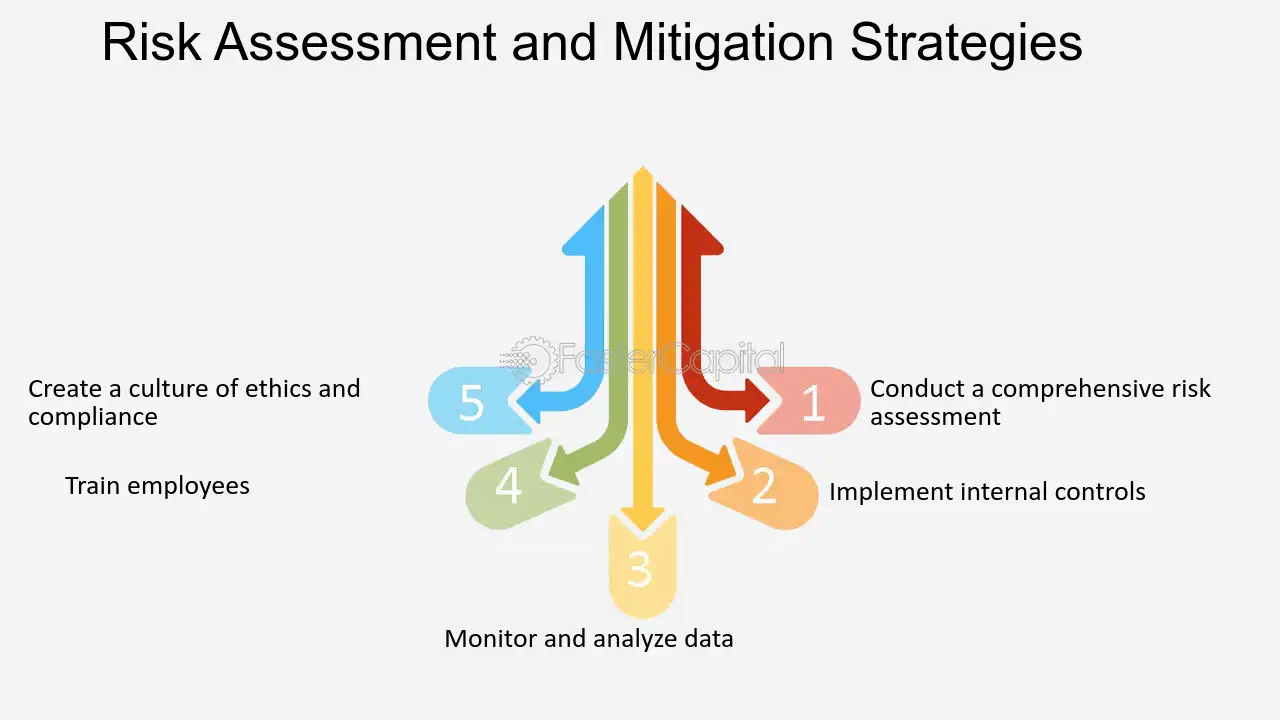
Do you ever think about how financial organizations identify illicit flows of money? An effective framework for risk assessment is crucial.
Anti-money laundering expert John Smith believes that a “good risk assessment regimen is the only thing any financial organization needs to achieve the detection of financial crime.”
Procedures for understanding the probability and consequences of threats are outlined in a risk assessment framework. It then frames how your business screens customers and monitors transactions.
Once you have clear criteria, you can focus your efforts on higher-risk areas, and a well-designed framework allows you to review how risks are changing periodically.
Financial crime risk
There are many forms of financial crime. As of 2023, money laundering costs the globe almost $2 trillion a year.
Perform your risk assessments to pinpoint where terrorists may launder money or which regions have seen more money laundering.
AML risk assessment software lends a calculating hand to spot more patterns so you can determine which threats are at greatest risk to your business. With such an insight into risks, you can mold your framework appropriately.
Bonus: The correct approach to compliance begins with risk assessments and controls. Talk to one of our experts about the right strategy for your needs.
Components make an effective framework.
Risk assessment points out specific areas of attention. Customer due diligence allows you to verify your customer’s identity. Transaction monitoring software notifies alerts based on suspicious transactions.
Training gives the staff the power to act. Regular reviews with financial crime risk assessments keep the framework up-to-date.
Implementing a strong financial crime framework across organizations can reduce fraud losses by as much as 50%.
Keeping all these metrics, ownership, and documentation in place tears everything together into one solid system. The whole structure now makes your defenses more robust.
Identify high-risk customers
Some customers inevitably pose larger risks. Risk assessment in AML helps pinpoint those individuals. It can flag anyone with ties to high-fraud regions or industries like shell companies.
Politically exposed persons also warrant extra vigilance, as they account for approximately 5% of high-risk clients. By screening names against sanctions lists, you avoid illegal relationships.
With your framework shining the light, focus extra monitoring on customers’ risk assessments placed in higher risk categories.
Monitor transaction patterns
Small data can fit inside large patterns, and it is easily missed. Risk assessment AML software automatically screens all of the movements.
Attributes such as frequency, country, and counterparties flag anomalies. Daily reports surface unusual activity that humans may gloss over, but alerts prompt closer review.
Thousands of accounts and transactions help find the proverbial needle in the haystack which indicates wrongdoing.
Automated systems can cut false positives by 80%. Systematic pattern screening strengthens your framework.
Detect suspicious activities
Embed detection tools in your framework with software, rules, and trained review. Ongoing risk assessments refine what to flag for multiple wire transfers or rapid account openings.
One recent evaluation found activity in a sanctioned nation required additional oversight, with 42% of flagged transactions tied to potential money laundering.
The screening revealed the suspect transfers. Nipping suspicious signs in the bud protects both your and your customers’ reputations from unauthorized access and theft.
Evaluate controls effectiveness
Even strong frameworks must be reviewed from time to time. Review cycles monitor how well controls work. Last year’s lapses may be a reminder of recent regulatory fines when FinCEN issued over $1.5 billion in AML penalties.
An outside expert can help review controls objectively. Assess your success by monitoring and identifying 90 percent of unusual patterns.
Here’s the critical point for where you can build your framework back with adjusted rules or upgraded software.
Oversight guarantees your framework achieves the intent of enhancing your institution’s ability to withstand financial crime.
Update framework regularly
Criminals are constantly evolving techniques. Standard risk reviews using the most current AML intelligence reveal shifting threats.
One finished review found cyber-threats rising for finance, proving reported cybercrimes increased 30 percent over the past year alone. The system must be revised in light of such results.
Routine reviews mandate adjustments like increased identity verification using high-risk sign-ups from countries known for having well-developed identity theft.
Dynamic improvement keeps protective measures ahead of the evolving risks identified in those reviews.
Manage identified risks
Risk assessments highlight areas that require mitigation. The owners are assigned to supervise the risk management of each threat.
A financial crime risk assessment noted overdependence on a single monitoring system, which can expose suspicious activities to a risk of not being detected at all to a high of 60%.
Redundant controls reduce that risk. Periodic audits are undertaken to track steps in mitigation processes.
The purpose of documentation is to support the actions made by the authorities. Controlling vulnerabilities is how your framework will strengthen the financial system.
Benefits from framework adoption
A good design framework helps every aspect of the business.
- Customers benefit from the potent protection of their assets and privacy.
- Staff gains defined processes to follow.
- Leadership receives assurance of resilience and compliance.
- Protection and prevention prove less costly than the after-effects of system breaches or money laundering penalties.
Learn how a tailored risk assessment framework can better safeguard your financial institution against emerging threats. Learn more at our website.
