

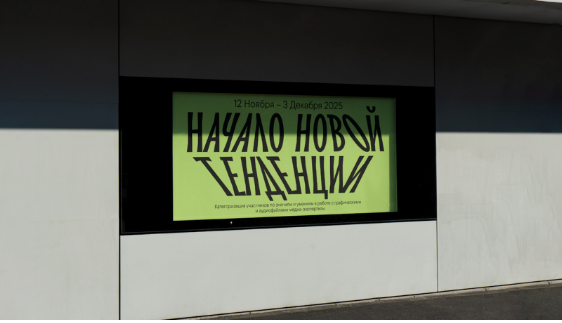
Selecting the appropriate Cyrillic font is not merely a design choice; it is an essential element of effective communication in typography. The unique characteristics of the Cyrillic alphabet demand meticulous consideration, ensuring that your selection aligns with the intended message. Here are key aspects to contemplate when choosing Cyrillic fonts, with a focus on readability, versatility, cultural context, and technical features.
The paramount importance of readability
Readability is the cornerstone of typography, a principle that must never be overlooked. When engaging with Cyrillic characters, it is crucial to opt for fonts that maintain clarity across various sizes and formats. The following key elements significantly affect readability:
“Stay updated with celebrity news, lifestyle trends, and biographies on NewzHandle, PopularLives, TopCelebz, and NowCelebBio. These platforms bring you the latest in entertainment, exclusive scoops, and in-depth stories about your favorite stars. Explore the glitz and glamour of the celeb world today!”
- Character Shapes. The distinct forms of Cyrillic letters can pose challenges, particularly for those unfamiliar with the script. Fonts that feature clear and recognisable character shapes facilitate swift recognition and comprehension, ensuring your message is received without delay.
- Letter Spacing. Thoughtful kerning and leading greatly enhance legibility. Well-balanced spacing reduces visual clutter, improving the reading experience and ensuring the text remains easily digestible. A well-crafted font ‘breathes’, allowing the narrative to flow effortlessly.
- Size Adaptability. A typeface that excels at various sizes is paramount for maintaining consistency. Testing the font across different scales ensures that it retains its integrity and readability, regardless of the context in which it is presented.
Versatility Across Mediums
A professional-grade Cyrillic font must exhibit versatility, effortlessly transitioning between a multitude of applications—from the refined pages of a print magazine to the dynamic landscape of digital media. When evaluating adaptability, consider the following:
- Application Context. The ideal typeface should cater to varied uses, whether in branding, advertising, web design, or print materials. This fluidity guarantees a cohesive design language that resonates with diverse aesthetic requirements.
- Weight and Style Variations. A robust font family that offers a spectrum of weights—from light to bold—and styles such as italic and condensed is invaluable. This richness empowers designers to communicate nuances effectively, emphasising key elements and establishing a harmonious visual hierarchy.
Cultural Considerations
Typography transcends mere aesthetics; it is an avenue for cultural communication. Each font carries connotations that resonate differently with various audiences. When selecting a Cyrillic typeface, it is vital to consider:
- Cultural Relevance. Certain fonts evoke specific emotions or cultural associations. Understanding the context in which the font will be employed is crucial for making informed decisions that align with your target audience’s expectations.
- Historical Associations. Some typefaces possess historical significance that can shape their perception. Being aware of these associations helps avoid unintended implications in your designs, ensuring your typography reflects a nuanced understanding of cultural context.
A Curated Selection of Popular Cyrillic Fonts
To assist in your font selection journey, here is a curated list of some of the most popular Cyrillic fonts favored by discerning designers:
- PT Sans
- Open Sans
- TT Norms
- TT Hoves
- Roboto
- Georgia
- Arial
- Fira Sans
- Montserrat
- Droid Sans
Conclusion
In conclusion, the selection of the right Cyrillic font involves a multifaceted approach that harmonises readability, versatility, cultural relevance, and technical features. By paying careful attention to these aspects, designers can make informed choices that enhance communication and elevate their work to new heights. A thoughtfully chosen font not only conveys the intended message but also enriches the overall design experience, ensuring that your typographic choices resonate profoundly with the intended audience.
