

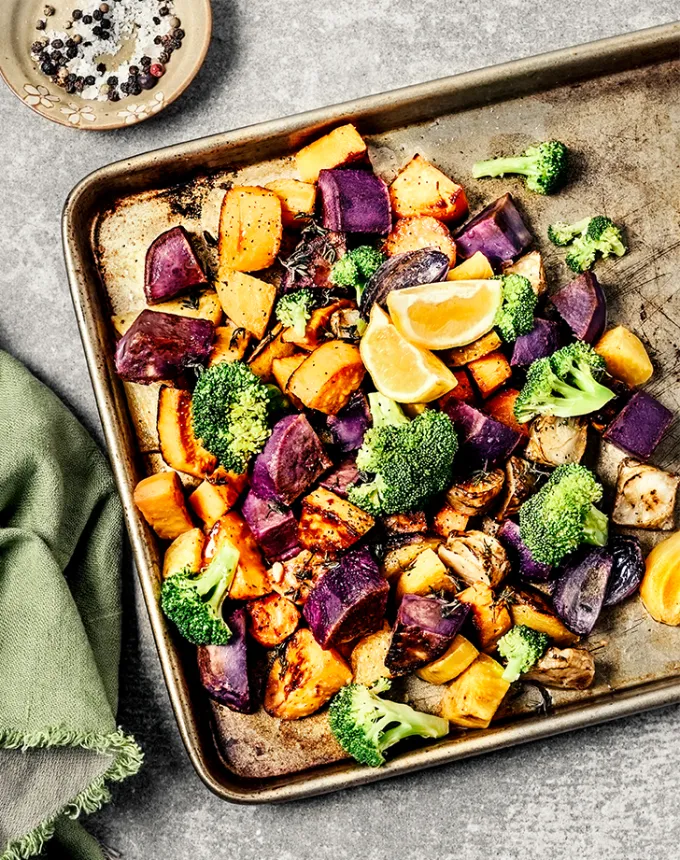
Heartburn, stomach pain, flatulence? Then your stomach needs a breather. We present food that is easy on the stomach and tips for preparing easily digestible meals.
There are certain foods that are considered easy to digest and are particularly well tolerated by people with a sensitive, irritated gastrointestinal tract. So if you notice that your stomach is in chaos, give it a break and favour foods that are easy on the stomach. Our recommendation for this bookmaker casino will also not harm you.
RELIEVE INDIGESTION
Digestive problems can often occur after eating fatty foods. We sometimes put our stomachs through a lot: they have to cope with greasy chips, spicy curries, sugary treats and the odd glass of alcohol. Most of the time it manages this without any problems. However, it often rebels and reacts with digestive problems such as heartburn, stomach pain, flatulence, diarrhoea or constipation after eating these foods. This can be caused by inflammation, infections or irritation of the gastrointestinal tract.
Then it’s time to relieve your stomach a little and focus on foods that are easy on the stomach.
Easily digestible foods: you can access them here
Oatmeal for breakfast – as porridge, for example – is easy on the stomach. Just as every person is unique, our stomachs and stomach complaints are also very individual. That’s why everyone should find out for themselves what is actually good for them. There are foods that are generally considered to be well tolerated and easy to digest, but exceptions cannot be ruled out. That’s why there’s only one thing to do: try it out for yourself and listen to your gut.
BREAKFAST
Oatmeal: You can swap muesli, which is often high in sugar and fat, for oatmeal for breakfast. Oatmeal has a soothing effect on irritated stomach walls and regulates digestion. To make even less work for the body, you can enjoy oatmeal as oatmeal gruel or oatmeal soup.
Fruit: When it comes to fruit, it’s best to choose low-acid varieties such as apples, grapes or pears. Bananas, kiwis, peaches and melons are also suitable, although you should only eat them in moderation due to the long transport distances involved. Fruit should always be eaten well ripened.
LUNCH AND DINER
Vegetables: Vegetables are a very good choice for gastrointestinal complaints. Steamed fennel, carrots, courgettes, green peas and young kohlrabi in particular are considered to be gentle on the stomach.
Side dishes: The vegetables can be supplemented with filling side dishes such as rice, potatoes and pasta. Some people who suffer from stomach problems cannot tolerate the wholemeal varieties of rice and pasta and therefore prefer to choose hulled rice and pasta made from flour.
Sauces: Salads can be dressed with light yoghurt sauces, a tomato sauce is recommended with pasta.
Bread can still be on the menu. With wholemeal breads, you should make sure that the coarse meal used is very fine. Bread rolls, rusks and toast are easier to digest than heavy breads such as pumpernickel and coarse grain bread.
Dairy products: With cheese, care should be taken to ensure that it does not exceed a fat content of 30%. Yoghurt and milk should have a fat content of 1.5%. If you follow a vegan diet or suffer from lactose intolerance, there are plant-based alternatives such as oat milk.
Drinks
Water: Mineral water without carbon dioxide or tap water are preferable to sparkling water.
Teas: Herbal teas with fennel, aniseed, caraway and camomile in particular have proven to be gentle on the stomach. Unsweetened black tea can also soothe the stomach.
Sweets in exceptions
Pastries: You should avoid cream cakes and greasy pastries. However, a yeast plait is a relatively low-sugar and low-fat way to treat yourself to something sweet.
Spreads: Instead of nut creams, you can use (home-made, low-sugar) jams, fruit compotes, apple sauce and honey as an alternative that is easier on the stomach.
