

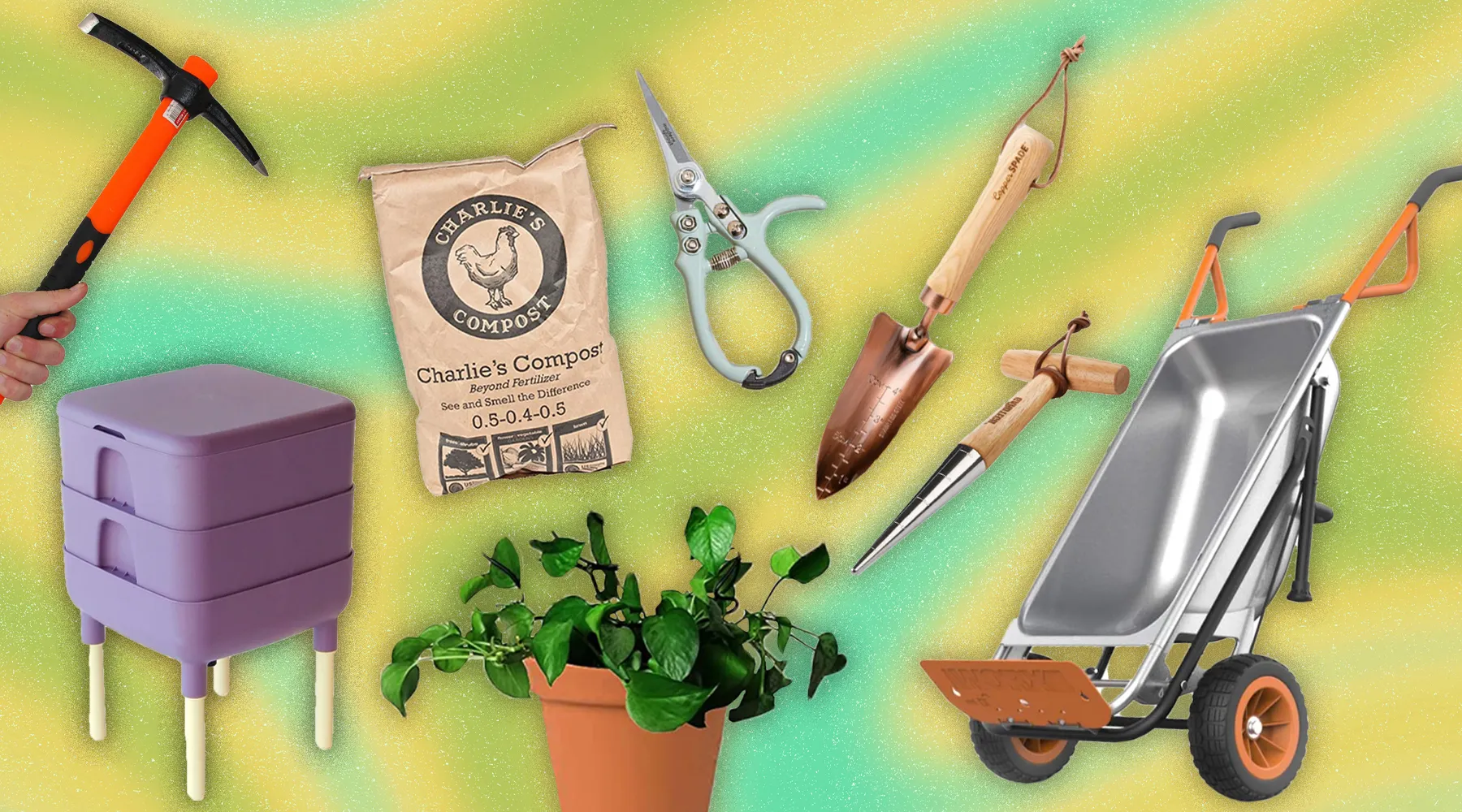
Gardening is often seen as a simple pastime, but with the right tools and mindset, it can transform both the gardener and the environment. Embracing green essentials enhances the beauty of any garden while promoting sustainability and eco-friendly practices. Here, we explore top landscaping products that every garden should include for sustainable thriving.
Composters
Composting is a cornerstone of sustainable gardening. Composters turn organic waste into nutrient-rich soil amendments that boost plant growth and health. By recycling kitchen scraps and garden waste, composters reduce landfill contributions and create natural fertilizers that enrich the soil. Consider using organic compost delivery services, like those available in Salt Lake City, to enhance your gardening efforts.
Benefits:
- Nutrient-Rich Soil: Provides essential nutrients that promote healthy plant growth.
- Waste Reduction: Decreases household waste and landfill impact.
- Cost-Effective: Reduces the need for store-bought fertilizers.
Practical Tips:
Place your composter in a convenient location near the garden. Turn the compost regularly to speed up decomposition, and balance green (nitrogen-rich) and brown (carbon-rich) materials for optimal results.
Rain Barrels
Capturing rainwater is an ancient yet effective method for conserving water. Rain barrels collect runoff from rooftops, providing an eco-friendly water source for gardens and lawns. This sustainable practice reduces dependency on municipal water supplies and lowers water bills.
Benefits:
- Water Conservation: Collects and stores rainwater for dry periods.
- Cost Savings: Reduces water usage and associated costs.
- Plant Health: Provides chemical-free water that’s gentle on plants.
Practical Tips:
Position rain barrels under downspouts for maximum collection. Use collected rainwater to irrigate plants during dry spells, and ensure barrels are securely covered to prevent mosquito breeding.
Native Plants
Native plants are those that naturally occur in a region, and they offer numerous advantages for sustainable gardening. These plants are adapted to local climates and soil conditions, requiring less water and maintenance. They also support local wildlife, providing habitats and food for pollinators and birds.
Benefits:
- Low Maintenance: Require minimal watering and fertilizing.
- Biodiversity Support: Enhance local ecosystems by supporting native species.
- Environmental Adaptability: Resilient to local pests and climate conditions.
Practical Tips:
Research native plants suited to your area and incorporate them into your garden design. Group plants with similar water and sunlight needs to create cohesive and efficient planting areas.
Organic Fertilizers
Organic fertilizers are derived from natural sources and are free from synthetic chemicals. They improve soil structure, promote healthy microbial activity, and contribute to sustainable gardening by minimizing environmental impact.
Benefits:
- Soil Health: Enhances soil fertility and structure over time.
- Eco-Friendly: Reduces chemical runoff and soil contamination.
- Safe for Wildlife: Non-toxic to beneficial insects and animals.
Practical Tips:
Choose organic fertilizers that match the nutrient requirements of your plants. Apply them in the recommended amounts to avoid over-fertilizing, which can harm plants and soil.
Incorporating Green Essentials
To effectively integrate these green essentials into your garden, consider the following steps:
- Evaluate Your Garden’s Needs: Assess the current state of your garden and identify areas that can benefit from sustainable practices.
- Start Small: Introduce one or two green products initially and expand as you become more comfortable with sustainable gardening.
- Educate Yourself: Learn about the specific requirements and benefits of each product to maximize their effectiveness.
- Engage with the Community: Join local gardening groups or forums to exchange tips and experiences with other eco-conscious gardeners.
- Monitor Progress: Regularly evaluate the impact of these products on your garden and make adjustments as needed to ensure long-term sustainability.
Conclusion
Incorporating green essentials in your garden, such as composters, rain barrels, native plants, and organic fertilizers, enhances its beauty while promoting environmental health. These eco-friendly choices foster sustainability and create a harmonious relationship between your garden and the environment for a greener future.
