

Introduction:
Packaging plays a significant role in the consumer experience, often being the first point of contact with a product. The packaging design and materials used can influence a customer’s perception and decision-making process. Consumers are increasingly becoming aware of the environmental impact of packaging, driving demand for more sustainable and eco-friendly options. As companies recognize this shift, many are exploring innovative packaging solutions that reduce waste and promote sustainability. The trend towards eco-friendly packaging is not just about meeting consumer expectations but also about contributing to the larger goal of environmental conservation.
In recent years, the focus on reducing the carbon footprint has led to the development of various eco-friendly packaging alternatives. These options include biodegradable materials, recyclable packaging, and minimalistic designs that use less material overall. Companies are also turning to renewable resources, such as plant-based plastics, to create packaging that is both functional and environmentally responsible. The move towards sustainable packaging is more than just a trend; it reflects a growing awareness of the need to protect our planet for future generations. As more businesses adopt eco-friendly practices, the impact of packaging on the environment can be significantly reduced.
The Importance of Packaging in Consumer Decision Making
“Packaging serves as a critical element in the marketing mix, influencing consumer behavior and brand perception. It is often said that packaging is a silent salesman, as it can communicate the brand’s values, the quality of the product, and even the target audience. For example, luxury brands often use high-quality materials and sophisticated designs to appeal to affluent customers, while eco-conscious brands may use recycled materials and earthy tones to resonate with environmentally aware consumers. The visual appeal of packaging, combined with its functionality, can make or break a product’s success in the marketplace.
However, packaging is not just about aesthetics; it also plays a crucial role in protecting the product during transportation and storage. Effective packaging ensures that the product reaches the consumer in optimal condition, free from damage or contamination. This protective function is particularly important for perishable goods, where packaging must prevent spoilage and extend shelf life. In addition to physical protection, packaging also serves as a platform for essential information, such as ingredients, usage instructions, and expiration dates, which can further influence consumer purchasing decisions.” – Sai Blackbyrn, CEO of Coach Foundation
The Rise of Eco-Friendly Packaging Options
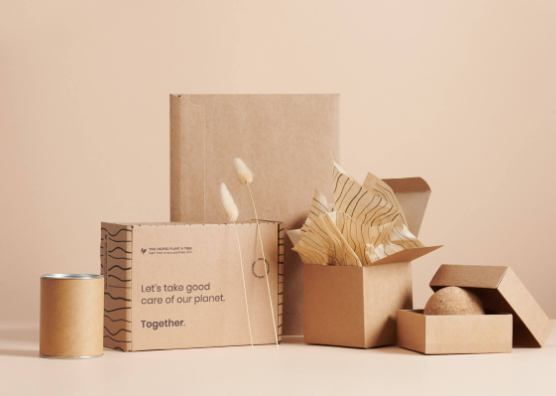
As awareness of environmental issues grows, consumers are increasingly demanding eco-friendly packaging options. This shift in consumer preferences has prompted companies to innovate and explore sustainable packaging alternatives. Biodegradable materials, such as cornstarch and sugarcane-based plastics, are becoming more popular as they break down naturally without leaving harmful residues. Additionally, recycled materials, such as paper and cardboard, are being used more frequently in packaging to reduce the demand for virgin resources and minimize waste.
Another approach to eco-friendly packaging involves reducing the overall amount of material used. Minimalistic packaging designs not only lower production costs but also reduce the environmental impact by using fewer resources. Some companies are also experimenting with reusable packaging, where consumers can return or refill containers, further reducing waste. The rise of eco-friendly packaging is not just a response to consumer demand but also a proactive step towards reducing the environmental footprint of packaging waste.
The Challenges of Implementing Eco-Friendly Packaging
Despite the growing interest in eco-friendly packaging, there are several challenges that companies face in implementing these solutions. One of the primary challenges is the cost associated with developing and producing sustainable packaging materials. Eco-friendly alternatives often come with higher production costs, which can be a significant barrier for small and medium-sized businesses. Additionally, the availability of sustainable materials can be limited, making it difficult for companies to source the necessary materials in large quantities.
Another challenge is the balance between sustainability and functionality. While eco-friendly packaging is designed to reduce environmental impact, it must also be practical and protect the product effectively. In some cases, sustainable materials may not offer the same level of protection as traditional packaging, leading to potential product damage and increased waste. Companies must carefully consider these factors when designing and implementing eco-friendly packaging solutions to ensure that they meet both environmental and practical requirements.
The Future of Eco-Friendly Packaging
The future of packaging lies in the continued development and adoption of eco-friendly materials and practices. As technology advances, new materials and innovations are likely to emerge, offering even more sustainable and efficient packaging options. For example, advances in biodegradable plastics and plant-based materials could lead to more widespread use of these alternatives in various industries. Additionally, the concept of circular packaging, where materials are continuously recycled and reused, could become more prevalent, further reducing the environmental impact of packaging waste.
Consumer awareness and demand for sustainable products will continue to drive the shift towards eco-friendly packaging. Companies that embrace these changes and invest in sustainable practices will not only contribute to environmental conservation but also gain a competitive edge in the marketplace. As the global focus on sustainability intensifies, the future of packaging will undoubtedly be shaped by the need to protect our planet while meeting consumer expectations.
How Sustainable Packaging Can Enhance the Appeal of Confectionery Products
“In the confectionery industry, packaging plays a vital role in attracting customers and ensuring the freshness of the products. As consumers become more environmentally conscious, the demand for sustainable packaging in this sector is growing. Using eco-friendly materials not only helps in reducing the environmental footprint but also enhances the brand’s image by aligning with the values of sustainability-minded consumers. Confectionery brands that adopt sustainable packaging options can appeal to a broader audience, especially those who prioritize environmental responsibility in their purchasing decisions.
The shift towards sustainable packaging in confectionery products also contributes to maintaining product quality and extending shelf life. Packaging that is designed with both sustainability and functionality in mind ensures that the products remain fresh and intact during transport and storage. By integrating eco-friendly packaging solutions, confectionery brands can meet the expectations of modern consumers while also playing a part in reducing packaging waste. This approach not only benefits the environment but also strengthens the brand’s reputation and market presence.” – Matthew Appleton, e-commerce manager of Appleton Sweets
Conclusion
Packaging plays a crucial role in both product presentation and environmental impact. The shift towards eco-friendly packaging reflects a broader societal commitment to sustainability and environmental conservation. While challenges remain in implementing sustainable packaging solutions, the continued innovation and adoption of eco-friendly practices offer a promising future for the packaging industry. By embracing these changes, companies can contribute to a more sustainable future while meeting the evolving demands of consumers. The future of packaging lies in balancing the needs of the environment with the functionality and appeal that packaging provides, ultimately shaping a more sustainable world for future generations.
