

Table of Contents
- Understanding Personal Injury Risks
- Common Causes of Urban Road Accidents
- Important Safety Practices
- How to Handle an Accident Scene
- Legal Rights and Representation
- Resources and Training
- Conclusion and Final Thoughts
To reduce personal injury on urban roads, drivers should wear seat belts, follow speed limits, and avoid distractions like mobile phones. Pedestrians should use crosswalks, stay alert, and avoid using headphones to hear traffic better. These practices enhance safety for both drivers and pedestrians.
Understanding Personal Injury Risks
Urban roads are bustling with activity, and this dynamism increases the risk of accidents. Every commuter needs to be aware of these risks to ensure their safety and that of others. Studies show that many traffic accidents occur in cities because of the high traffic congestion and other distractions of living there. Pedestrians, cyclists, and drivers play a role in this environment; even minor lapses in attention can lead to significant incidents.
Staying informed and prepared can help mitigate these risks. Consulting with personal injury lawyers in Philadelphia can provide valuable insights into how to protect oneself legally in the event of an accident. Legal experts can help you understand the complexities of personal injury law and ensure you are aware of your rights and obligations.
Common Causes of Urban Road Accidents
The leading causes of urban road accidents include speeding, not paying attention to traffic signals, and distracted driving. The prevalence of mobile devices has made distracted driving a significant issue, with texting while driving causing eye strain for an average of 5 seconds. Heavy traffic can also pose hazards for those not vigilant. Speeding negatively influences driving safety because it makes it harder for the driver to maneuver the vehicle safely around obstacles or curves, increases stopping distance, and lengthens the distance the car travels while responding to a risky situation. Distractions such as texting, eating, or listening to the radio can increase the likelihood of a crash. Speeding in high-traffic urban settings increases the chances of collision and injury, reducing time to react to sudden traffic changes and making it difficult to control the vehicle. Reducing the risk of accidents may be achieved effectively by adhering to specified speed restrictions.
Important Safety Practices
Taking safety procedures like fastening seat belts, observing speed limits, and avoiding using mobile phones or other distractions while driving can significantly reduce the risk of personal injury. Seat belt use is projected to have saved 14,955 lives in 2017. Drivers should wear seatbelts, which can reduce fatal injury risk by 45% in passenger cars and 60% in light trucks. Speed limits are set based on thorough research, and mobile phones should be avoided as they can serve as significant distractions. Pedestrians should use crosswalks, stay alert, and avoid using headphones while crossing roads. These practices help ensure the safety of all road users, especially pedestrians, who are often the most vulnerable.
How to Handle an Accident Scene
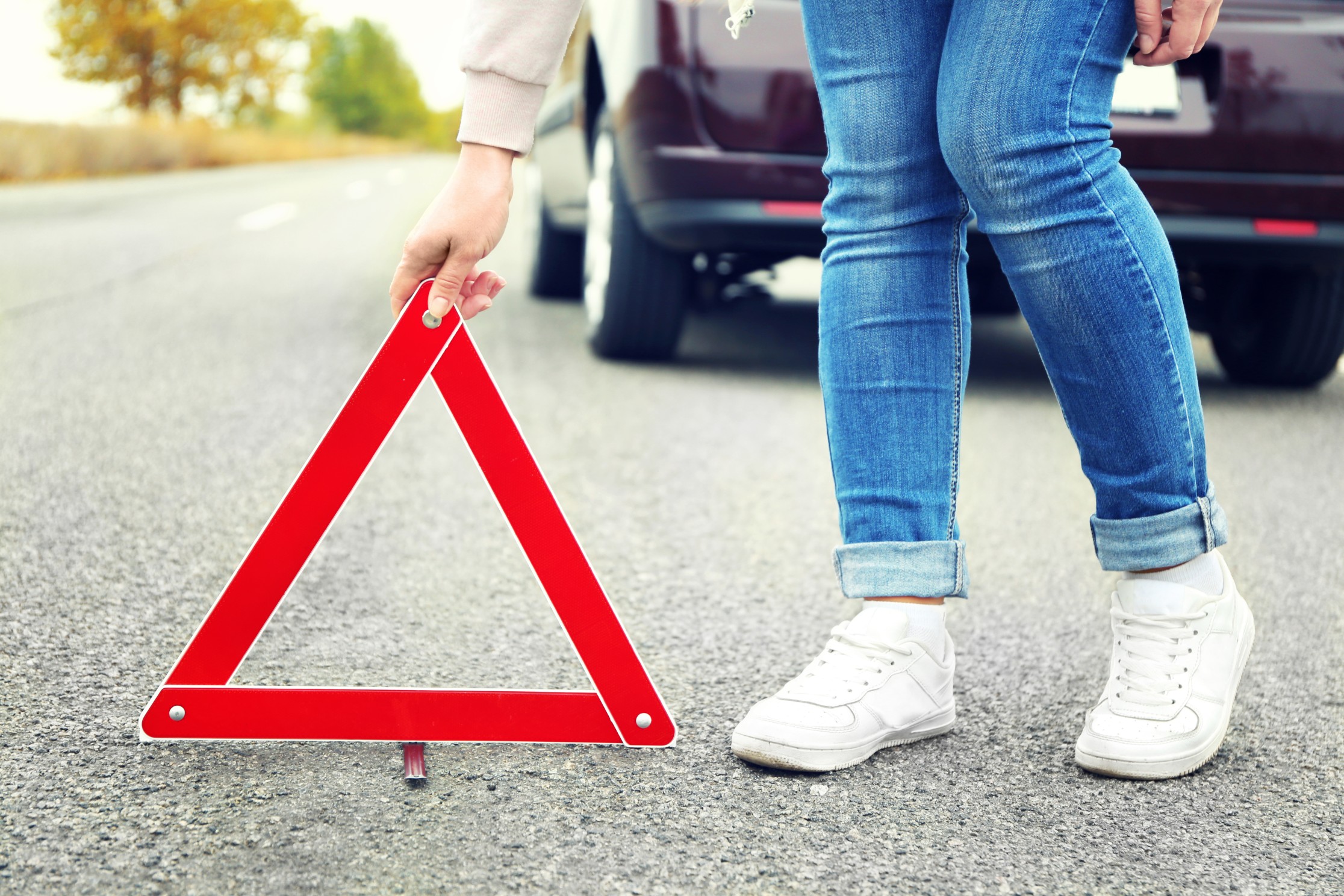
When at the scene of an accident, remain calm, check for injuries, call emergency services if needed, document the scene, and gather contact information from all parties involved. This information is crucial for insurance claims and legal actions. Move to a safe location if in danger, document the accident scene with photographs, and capture vehicle positions, damage, and the surrounding environment. Give out contact information to outside parties, including names, phone numbers, addresses, and insurance data. This protects other people’s safety as well as your health.
Legal Rights and Representation
Legal representation is essential after an accident to ensure you receive the compensation you deserve. Personal injury attorneys can assist you in understanding your rights and navigating the convoluted legal system. Benefits of legal representation include expert advice on your rights, assistance in gathering and documenting evidence, representation in negotiations with insurance companies, and support in legal proceedings if necessary. Understanding your rights can prevent others from taking advantage of you in a vulnerable situation.
Resources and Training
Engaging with resources and training programs focusing on road safety can be highly beneficial. The Royal Society for the Prevention of Accidents offers comprehensive programs to help individuals learn and apply best practices for road safety. Staying informed and educated can significantly enhance your ability to stay safe on urban roads.
Available Programs
- Road Safety Training for Drivers. These programs cover defensive driving, hazard awareness, and emergency maneuvers.
- Pedestrian Safety Workshops. Such workshops teach crucial skills for navigating urban environments safely.
- Online Safety Resources and Tips. Easy-to-access information on various aspects of road safety, suitable for all ages.
Conclusion and Final Thoughts
By understanding the risks, adopting safety practices, and knowing how to handle accident scenes, urban commuters can significantly reduce their chances of personal injury. Staying informed and being proactive about road safety can go a long way in ensuring a safer urban driving experience for everyone. Remember, safety on urban roads is a shared responsibility among all road users. Whether behind the wheel or walking down the sidewalk, a commitment to safety can make urban environments much safer for all.
